
Key Takeaways
- Morton's neuroma is thickened tissue around a nerve in the ball of the foot, and it is not cancerous.
- Many cases improve with conservative treatment, such as footwear changes, padding, and rest, without ever needing surgery.
- Catching the condition early makes it more likely that non-surgical treatment will work.
- Shoes with a wide toe box and low heel are one of the simplest ways to reduce pressure on the nerve.
- Surgery is typically reserved for cases that do not improve after conservative treatment has been tried for several months.
- Lake Erie Podiatry has served the Erie, PA region for nearly 25 years and offers personalized treatment plans for Morton's neuroma, from custom orthotics to surgical care when it's needed. Request an appointment to get a treatment plan built around your foot.
What Is Morton's Neuroma?
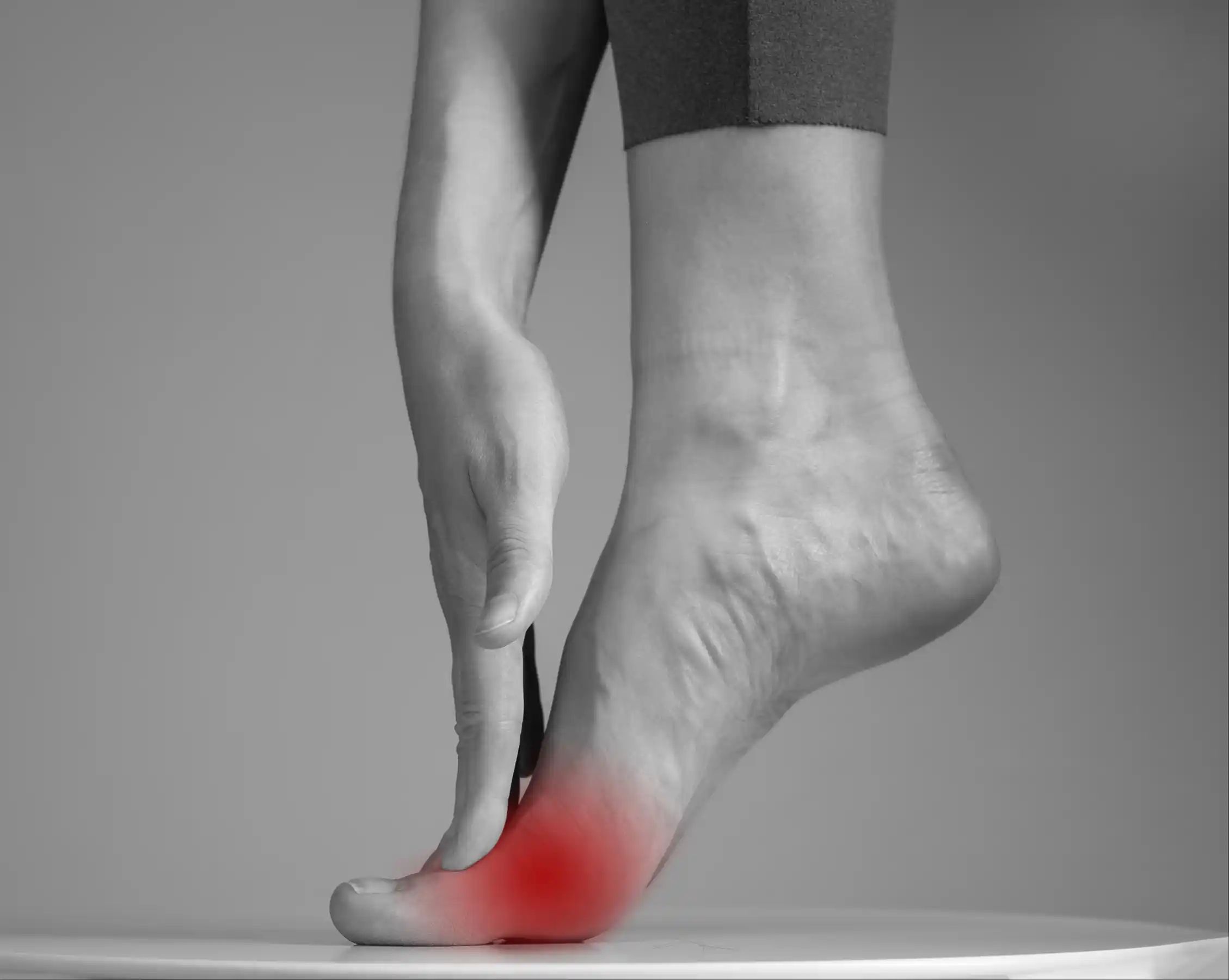
Morton's neuroma is a thickening of the tissue that surrounds one of the nerves leading to the toes, most often the nerve between the third and fourth toes. Despite the name, it is not a tumor. It's a response to irritation or pressure on the nerve over time.
The condition tends to cause a sharp, burning pain in the ball of the foot that can spread into the toes, as described by Mayo Clinic's overview of Morton's neuroma symptoms. Many patients describe it as feeling like they're walking on a small stone or marble that never goes away. Tingling and numbness in the affected toes are also common.
Can Morton's Neuroma Heal Without Surgery?
For many patients, yes. Morton's neuroma often responds well to conservative treatment, especially when it's caught early. The first step is usually a change in footwear and activity, paired with supportive inserts that take pressure off the nerve.
That said, 'healing' with conservative care typically means the nerve irritation calms down and symptoms fade, rather than the thickened tissue disappearing entirely. Because of that, staying consistent with footwear and orthotic use helps keep symptoms from returning.
Why Early Diagnosis Matters
The longer a neuroma goes untreated, the more the nerve tissue can thicken, which may make symptoms harder to reverse with conservative care alone. Patients who see a podiatrist soon after symptoms start have more treatment options available to them and are less likely to need surgery. If foot pain is affecting how you walk, stand, or exercise, it's worth having it evaluated rather than waiting it out.
Conservative Treatments That May Relieve Morton's Neuroma Pain
Lake Erie Podiatry typically starts with treatments that reduce pressure on the nerve and calm inflammation, an approach consistent with Mayo Clinic's guidance on Morton's neuroma treatment. Common options include:
- Footwear changes — switching to shoes with a wide toe box and a low heel
- Custom orthotics — cushioned inserts that redistribute pressure away from the nerve
- Activity modification — temporarily easing off high-impact activities that aggravate symptoms
- Icing — reducing swelling around the nerve after activity
- Corticosteroid injections — used in some cases to calm inflammation and pain directly at the site
Footwear and Lifestyle Changes That Support Recovery
Shoes play a bigger role in Morton's neuroma than many patients expect. High heels and narrow, pointed shoes squeeze the forefoot and increase pressure on the nerve, which can make symptoms worse even during treatment. Choosing shoes with room for the toes to spread out, along with a cushioned metatarsal pad, takes pressure off the area and can noticeably reduce discomfort.
Conservative Care vs. Surgical Treatment
| Conservative Treatment | Surgical Treatment | |
|---|---|---|
| When it's used | First-line treatment for most cases | When symptoms don't improve after months of conservative care |
| What it involves | Footwear changes, orthotics, injections, activity changes | Removal of the damaged nerve tissue (neurectomy) |
| Recovery time | Minimal; ongoing management | Several weeks of limited weight-bearing and recovery |
| Goal | Reduce pressure and calm nerve irritation | Permanently eliminate the source of pain |
When Is Morton's Neuroma Surgery Recommended?
If pain continues despite footwear changes, orthotics, and injections, surgery may be the next step. The most common procedure removes the thickened portion of the nerve. Most patients who reach this point have already tried conservative treatment for several months without lasting relief.
Surgery is generally considered a last resort rather than a first option, but for the right patient, it can offer meaningful, lasting pain relief, as outlined by the American College of Foot and Ankle Surgeons' overview of Morton's neuroma. A podiatric surgeon can walk you through what recovery looks like and whether it's the right fit for your case.
Best Shoes for Morton's Neuroma Relief
Look for shoes with these features to help manage symptoms day-to-day:
- A wide toe box that doesn't compress the forefoot
- A low, stable heel (avoid heels over one to two inches)
- Firm, cushioned soles that reduce shock with each step
- Removable insoles, so a custom orthotic can be added if needed
If you're unsure whether your current shoes are helping or hurting, a podiatrist can check your gait and recommend specific adjustments.
Find Lasting Relief From Morton's Neuroma at Lake Erie Podiatry
Morton's neuroma pain doesn't have to be something you simply live with. Whether your case responds to footwear changes and orthotics or eventually needs surgical care, an accurate diagnosis and a treatment plan built for your foot are the fastest path to relief.
Lake Erie Podiatry offers custom orthotics and foot and ankle surgery for patients dealing with Morton's neuroma and other forefoot pain. Request an appointment with Lake Erie Podiatry to have your symptoms evaluated and start a treatment plan that fits your lifestyle.
Frequently Asked Questions
Can Morton's neuroma be cured without surgery?
Many cases improve significantly with conservative treatment, such as footwear changes, orthotics, and injections. While the thickened nerve tissue may not fully disappear, symptoms can often be well managed without surgery.
How long does it take to treat Morton's neuroma?
Recovery time varies. Some patients feel relief within a few weeks of switching shoes and adding orthotics, while others need several months of consistent conservative care before symptoms improve.
What happens if Morton's neuroma is left untreated?
Without treatment, the nerve tissue can continue to thicken, which may make pain more constant and harder to relieve without surgery. Early evaluation gives you more treatment options.
Is Morton's neuroma surgery painful?
As with any foot surgery, there is a recovery period involving swelling and limited weight-bearing. Most patients manage post-surgical discomfort with prescribed care instructions and see significant pain relief once healed.
Can shoes alone fix Morton's neuroma?
Footwear changes can meaningfully reduce symptoms, especially when paired with orthotics, but they may not resolve every case on their own. A podiatrist can determine whether additional treatment is needed.
