
Key Takeaways
- Aging naturally thins the fat padding in the feet and reduces skin elasticity, making feet more vulnerable to pain and injury.
- Circulation changes can slow healing and make it harder to notice cuts, blisters, or sores before they become serious.
- Foot pain and balance changes are linked to a higher risk of falls in older adults.
- Warning signs like numbness, color changes, or slow-healing sores should never be ignored.
- Daily foot checks and properly fitted, supportive shoes are two of the simplest ways to prevent complications.
- Lake Erie Podiatry provides dedicated senior foot care for patients throughout the Erie, PA region. Request an appointment to have your feet checked and catch small problems before they grow.
How Aging Affects Circulation and Foot Structure
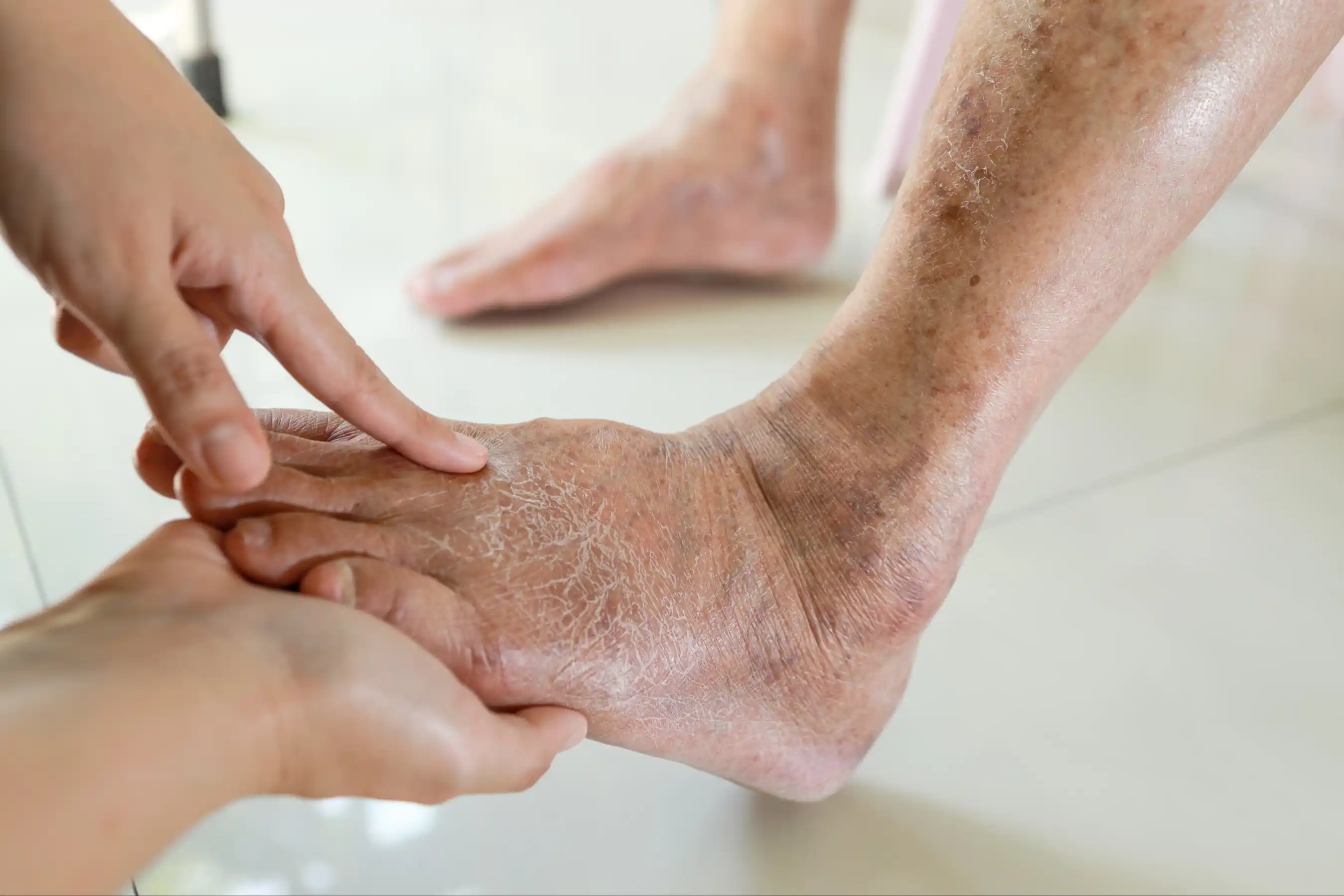
As people age, the fat pad that cushions the bottom of the foot gradually thins, and skin becomes drier and less elastic. Arches can flatten, joints stiffen, and many people notice their feet have become wider or longer over the years. These are all considered a normal part of aging, but they change how feet handle everyday pressure and impact.
Circulation also tends to decline with age, which matters more than it might seem. Reduced blood flow to the feet, sometimes related to peripheral artery disease, can slow healing and mask early warning signs of injury. According to Cleveland Clinic's overview of peripheral artery disease, risk for this circulatory condition increases with age, and it most often affects the legs and feet first.
Common Foot Conditions Seen in Older Adults
Several foot conditions become more common with age, often from a combination of structural changes and years of cumulative wear. Common concerns include:
- Arthritis — stiffness, swelling, and pain in the foot and ankle joints
- Bunions and hammertoes — joint deformities that tend to worsen gradually over time
- Thickened or brittle toenails — slower nail growth and reduced flexibility make trimming harder
- Dry, cracked skin — thinner skin is more prone to cracking, which can become an entry point for infection
- Reduced sensation — often related to circulation or nerve changes, making injuries easier to miss
Warning Signs Seniors Should Not Ignore
Some foot changes are simply part of aging, but others signal a problem that needs prompt attention. Contact a podiatrist if you notice:
- A sore or cut that hasn't started healing within a few days
- Numbness, tingling, or a burning sensation in the feet
- Skin that turns pale, blue, or unusually cool to the touch
- Swelling that doesn't go down with rest
- Sudden changes in foot shape or new areas of pressure
These symptoms can point to circulation problems, nerve changes, or infection, all of which are easier to treat when caught early.
The Impact of Foot Pain on Daily Activities
Foot pain in older adults often gets brushed off as an expected part of getting older, but it can have a real effect on independence. Pain and balance changes make it harder to walk safely, climb stairs, or simply get up from a chair. Research from the National Institute on Aging on fall risk factors points to foot problems and unsafe footwear as contributing factors in falls, which are a leading cause of injury among older adults.
Foot pain that isn't a normal part of aging is worth having evaluated, even if it seems minor, since untreated pain can lead to reduced activity, muscle weakness, and a higher fall risk over time.
Conservative Foot Care vs. When to See a Podiatrist
| Everyday Foot Care | When to See a Podiatrist | |
|---|---|---|
| What it covers | Daily foot checks, moisturizing, proper nail trimming, supportive shoes | Persistent pain, non-healing sores, numbness, or structural changes |
| Who can help | You or a caregiver, as part of a daily routine | A podiatrist, especially for diabetes, circulation issues, or arthritis |
| Goal | Prevent minor issues from developing | Diagnose and treat problems before they become serious |
Preventive Care Strategies for Long-Term Foot Health
Small daily habits go a long way toward keeping feet healthy as you age:
- Check feet daily for cuts, redness, or changes in color or temperature
- Keep toenails trimmed straight across to prevent ingrown nails
- Moisturize regularly, but avoid applying lotion between the toes
- Choose shoes with a wide toe box, good arch support, and a low, stable heel
- Schedule regular foot exams, especially if you have diabetes or circulation concerns
The American College of Foot and Ankle Surgeons' guide to foot health for seniors emphasizes that foot pain isn't something people have to accept as an unavoidable part of aging, since many age-related conditions respond well to treatment.
Protect Your Mobility With Senior Foot Care at Lake Erie Podiatry
Age-related foot changes are common, but foot pain isn't something you have to simply live with. A podiatrist can help you stay ahead of problems like circulation changes, arthritis, and skin issues before they affect your mobility or independence.
Lake Erie Podiatry offers dedicated senior foot care and diabetic foot care for patients throughout the Erie region. Request an appointment with Lake Erie Podiatry to have your feet checked and get a plan for staying active and comfortable.
Frequently Asked Questions
What are the most common foot problems in older adults?
Arthritis, bunions, hammertoes, thickened toenails, and dry or cracked skin are among the most common. Circulation changes and reduced sensation are also frequent concerns that make these conditions more serious if left untreated.
How does aging affect foot health?
Aging thins the fat padding in the feet, reduces skin elasticity, and often slows circulation. These changes make feet more vulnerable to pain, injury, and slow-healing wounds.
When should a senior see a podiatrist?
Any sore that hasn't started healing within a few days, numbness, color changes in the skin, or ongoing pain should prompt a visit. Seniors with diabetes should also have their feet checked regularly, even without obvious symptoms.
Can foot problems increase fall risk in older adults?
Yes. Foot pain, balance changes, and unsafe footwear are all linked to a higher risk of falls, which makes addressing foot issues an important part of staying safe and mobile.
How do I find a foot doctor near me for senior foot care?
Look for a podiatry practice with specific experience in senior and diabetic foot care. Lake Erie Podiatry has served patients throughout Erie, PA for nearly 25 years and offers personalized care for age-related foot conditions.
