
Key Takeaways
- Fall is often a practical time for bunion surgery in Erie, PA, because the first weeks of healing line up with cooler, slower months.
- Bunion surgery recovery happens in stages, moving from a protective boot to regular shoes over a few months.
- With Lapiplasty® 3D Bunion Correction, patients in a large study began putting protected weight on the foot after about one week, on average.
- Scheduling early in the fall gives you more time to get steady on your feet before Erie's heaviest snow and icy sidewalks arrive.
- Lake Erie Podiatry has cared for feet in the Erie region for nearly 25 years, and you can request an appointment online to find out if Lapiplasty® is right for you.
Why Timing Matters for Bunion Surgery in Erie, PA
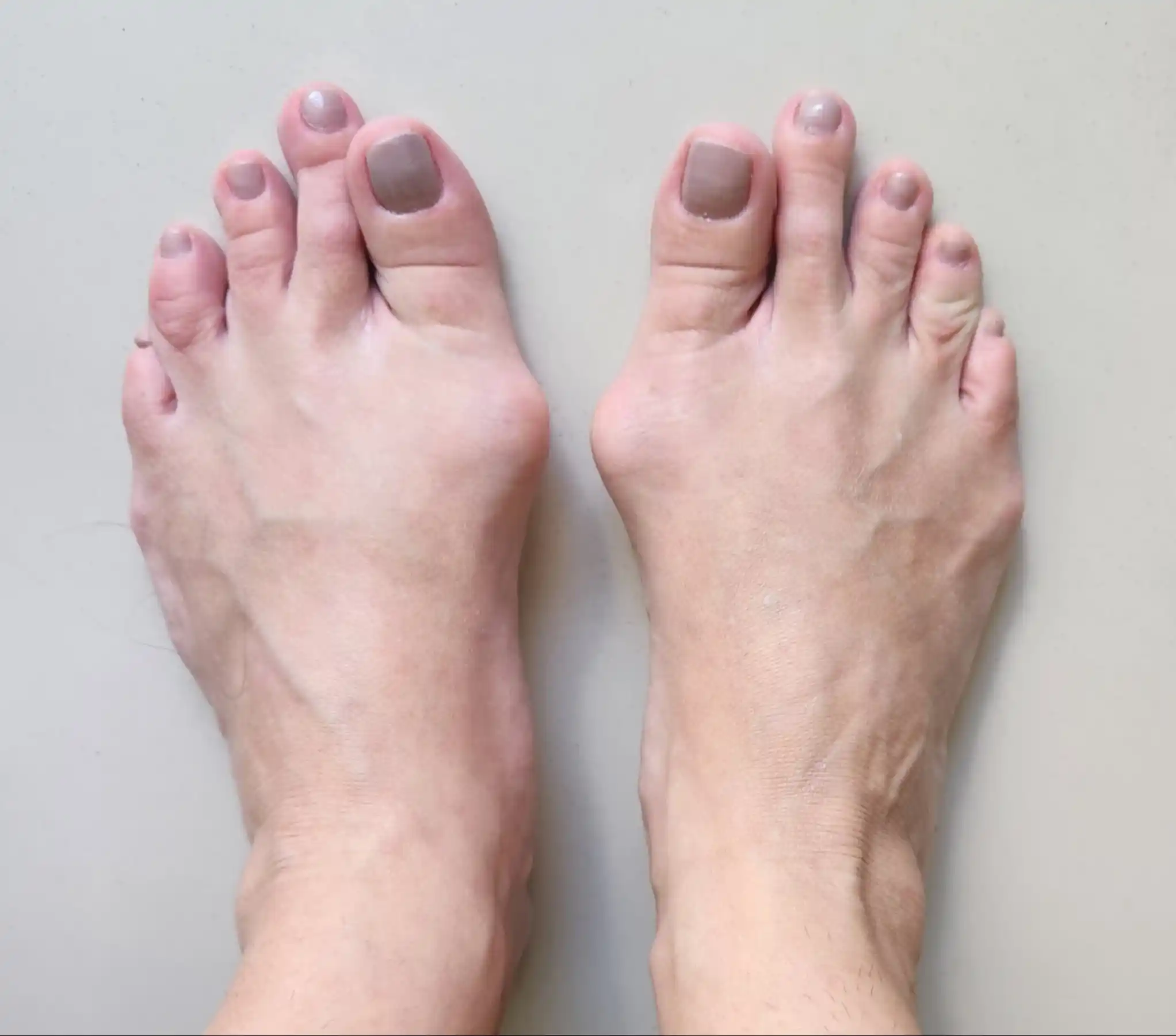
A bunion is a painful, bony bump that forms at the big toe joint when the bones of the foot slowly shift out of line. Once surgery becomes the right choice, the next big question is when to have it.
That question matters because healing takes time. Cleveland Clinic's guide to bunion surgery recovery explains that it takes a few months to recover from a bunionectomy (the medical name for bunion surgery), and that bones need about six to 12 weeks to heal. Picking the right season can make those months much easier to manage.
Recovery Downtime Lines Up With Cooler, Less Active Months
For many people in Erie, fall and early winter are naturally quieter. Summer days at the beach, yard work, and long walks give way to more time indoors. That makes it easier to rest and keep your foot raised, which is exactly what your foot needs early on.
Fall surgery can also fit your life in other ways:
- You will be wearing closed-toe shoes and boots anyway, so a surgical boot feels less out of place.
- Many people have time off around the holidays that can be used for rest.
- If you have already met your insurance deductible for the year, your plan may cover more of the cost. Check with your insurance company to confirm.
- You can be back in regular shoes and moving freely by the time spring and summer plans start.
Early Fall Scheduling Allows for Recovery Before Winter Travel Gets Difficult
Erie winters bring lake-effect snow and slick sidewalks. That is hard enough on two healthy feet. It is much harder in a walking boot or on crutches.
Cleveland Clinic notes that some people need crutches or a knee scooter for a few weeks after bunion surgery. Having surgery in September, October, or early November means the hardest early stage is often behind you before the deepest snow sets in. You will still need to be careful on ice, but you will be further along in your healing.
What a Fall Bunion Surgery Recovery Can Look Like?
The table below shows a sample timeline for someone who has bunion surgery in mid-October. Your own timeline will depend on your foot, your health, and the type of surgery you have. Dr. Michael Ruiz, DPM (Doctor of Podiatric Medicine), will give you a plan made for your situation.
| Time After Surgery | If Surgery Is in Mid-October | What Is Usually Happening |
|---|---|---|
| First 1–2 weeks | Late October | Rest, raise the foot, and wear a protective boot. After Lapiplasty®, protected weight-bearing in a walking boot often starts around one week. |
| About 4 weeks | Mid-November | Patients in a Lapiplasty® study returned to work after about 27 days, on average. |
| 6–12 weeks | December to January | Bones continue to heal during this window. |
| About 3–4 months | February | Many people return to their usual activities. |
| 6–9 months | Spring to summer | Leftover swelling slowly fades. |
The Lapiplasty® numbers come from a four-year study called ALIGN3D, summarized on the Treace Medical Concepts Lapiplasty® journal publications page. Patients in that study began weight-bearing in a walking boot at an average of 7.7 days, returned to work in about 27 days, and returned to full, unrestricted activity within about four months on average. Treace makes the Lapiplasty® system, so ask Dr. Ruiz how these results may apply to you. The general bone healing and swelling timelines come from Cleveland Clinic.
Bunion Surgery Before and After: What Changes
Before surgery, a bunion often makes everyday life uncomfortable. The bump can rub against your shoes, and a wide foot can make shoes hard to fit.
After a full recovery, most people notice real changes. Cleveland Clinic reports that most people have significant pain relief after bunion surgery. The big toe also sits in better alignment, which can make walking easier and shoes more comfortable.
How Lake Erie Podiatry Plans Your Surgery Date?
At Lake Erie Podiatry, surgery is never the first step. Dr. Ruiz explores nonsurgical options first, such as custom orthotics, physical therapy, anti-inflammatory medicines, and steroid injections. If those do not bring relief, foot and ankle surgery at Lake Erie Podiatry may be the next step.
Before surgery, Dr. Ruiz talks with you about the procedure, your overall health, and any medicine changes. This is a good time to talk about timing, too. To plan for a fall surgery date:
- Arrange a ride home, since you will not be able to drive right after surgery.
- Set up a resting spot on the first floor of your home, if you can.
- Clear walkways and remove loose rugs.
- Stock up on easy meals and supplies before surgery day.
- Plan time off from work and ask about your return-to-work timeline.
What to Expect in the Weeks Immediately Following Surgery?
Most bunion surgeries are outpatient procedures, which means you go home the same day. The first few weeks focus on protecting your foot and controlling swelling. Dr. Ruiz may recommend:
- Resting and raising your foot above heart level.
- Using ice and compression to reduce swelling.
- Wearing a surgical boot, splint, or shoe.
- Using crutches, a walker, or a knee scooter as directed.
Call your foot surgeon right away if you notice a fever higher than 101 degrees Fahrenheit, bleeding, new or worsening pain, or signs of infection such as redness, warmth, odor, or drainage at the incision.
Give Your Feet a Head Start on Spring With Fall Bunion Surgery in Erie
Fall bunion surgery lets the slowest part of recovery happen during quieter months, so you can be back on your feet and in regular shoes as the weather warms up. Lake Erie Podiatry offers advanced bunion care, including Lapiplasty®, with a plan built around your schedule.
Request an appointment with Lake Erie Podiatry at its Erie office on Caughey Road to learn whether Lapiplasty® 3D Bunion Correction in Erie, PA fits your needs. Request your appointment with Lake Erie Podiatry online.
Frequently Asked Questions
How long is bunion surgery recovery?
Most people need a few months to recover. Bones usually take six to 12 weeks to heal, and many people return to their usual activities in about three to four months. Some swelling can last six months or longer.
Is Lapiplasty® available in Erie, PA?
Yes. Lake Erie Podiatry offers Lapiplasty® 3D Bunion Correction at its office on Caughey Road in Erie. Dr. Ruiz can examine your foot and let you know if you are a good candidate.
What does bunion surgery before and after look like?
Before surgery, the big toe leans toward the other toes and a bump sticks out at the joint. After surgery and healing, the toe sits straighter, the bump is gone, and most people have much less pain in their shoes.
Is it better to have bunion surgery in the fall or spring?
There is no single best season, but fall works well for many Erie patients. The early recovery happens during cooler, less active months, and you can be back to normal activities by spring.
Does insurance cover bunion surgery in Erie, PA?
Lapiplasty® is covered by many insurance plans, and Lake Erie Podiatry accepts most major insurance plans as well as workers' compensation. Check with your insurance company for details about your coverage.
